Growth & distribution
BingWow
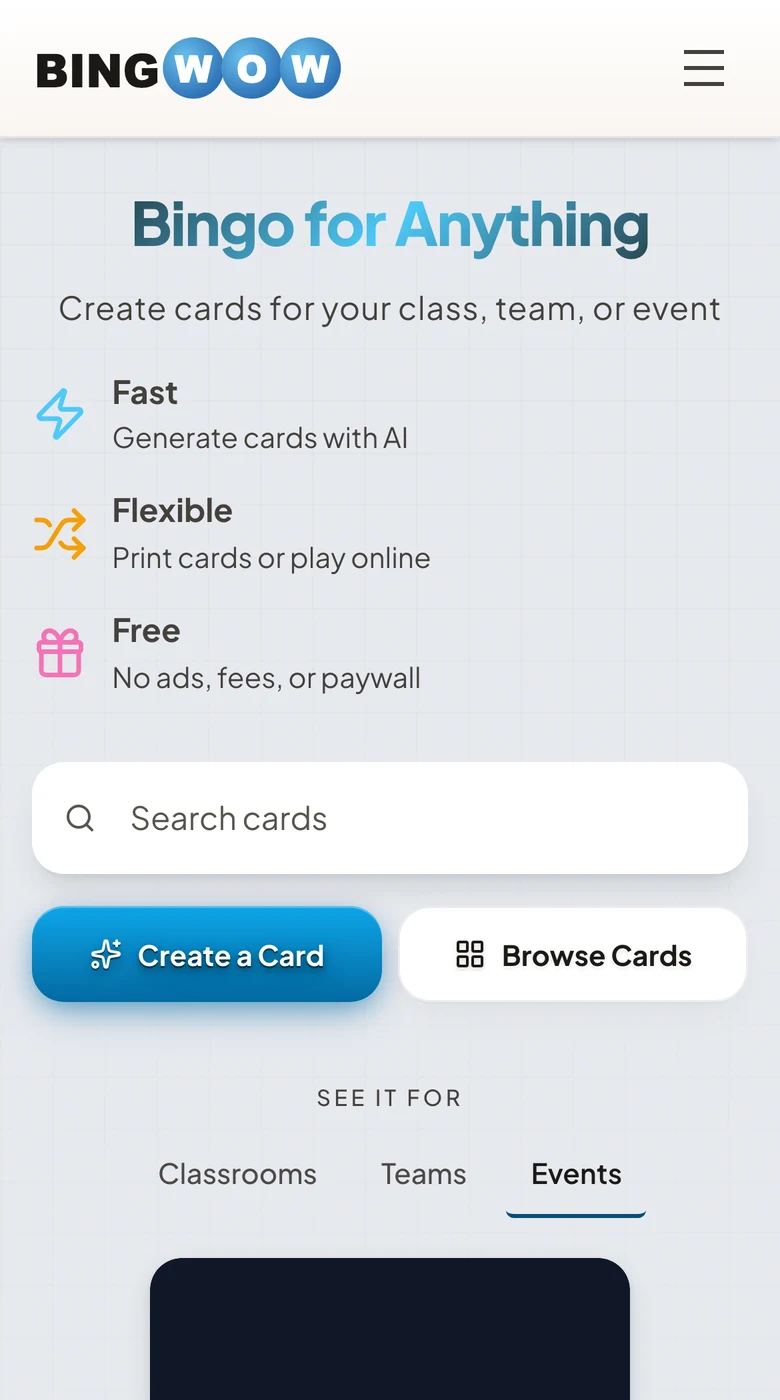
Bingo for anything. Create with AI, print, or play live — free.
- Who it's for
- Teachers, hosts, and team leads.
- The problem
- Getting a group game running still means too many tools and handoffs.
- What it does
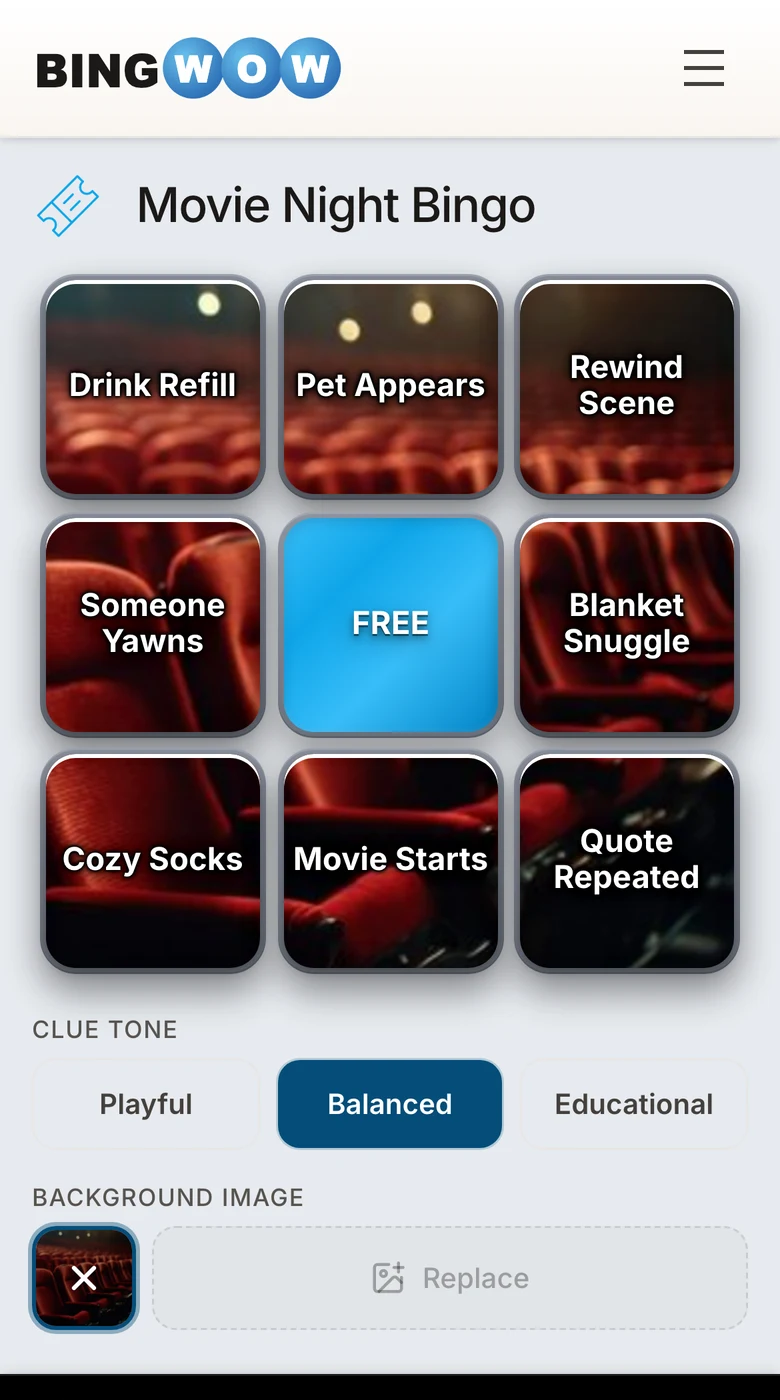
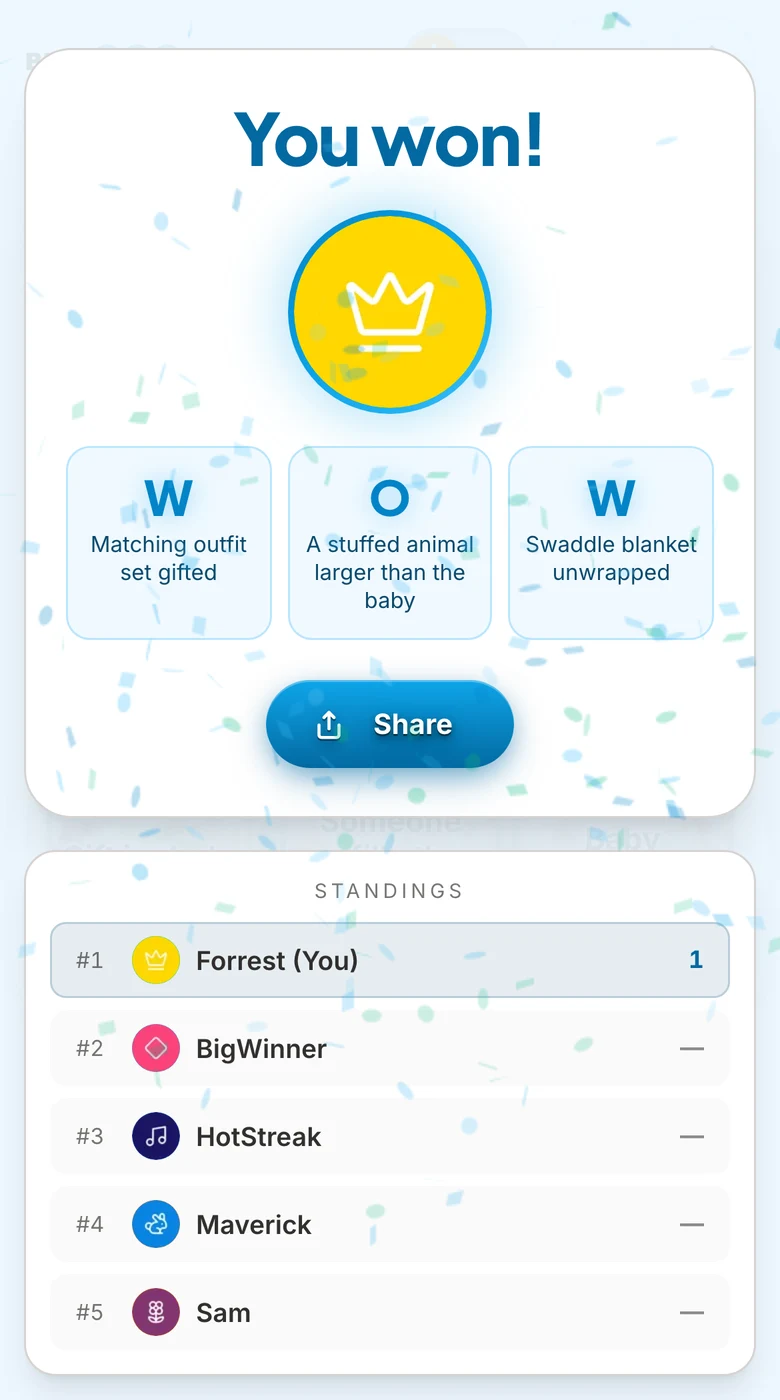
- Create a card with AI, print it, or run live multiplayer for up to 100 — no account required.
Opportunity
The demand was proven. The experience was not.
Two incumbents draw ~1.1M visits a month, and 87% of the leader's Google traffic is non-branded.
But hosting a game still means stitching together card makers, callers, print tools, and winner checks. The opening was one clean flow: create, print, call, play, verify.
What I learned
The product gap was real. Google still belonged to authority.
Two outreach waves earned zero links. BingWow was indexed and healthy but ranked for no non-branded Google query; the incumbent had 2,780 referring domains on its homepage alone.
Bing and AI assistants were already sending visitors. The acquisition strategy had to follow the channels that could see the product.
Pivot & results
Make the product the reason to discover BingWow.
What changed
Followed the live signal. I stopped the Google backlink campaign and focused on Bing and AI assistants.
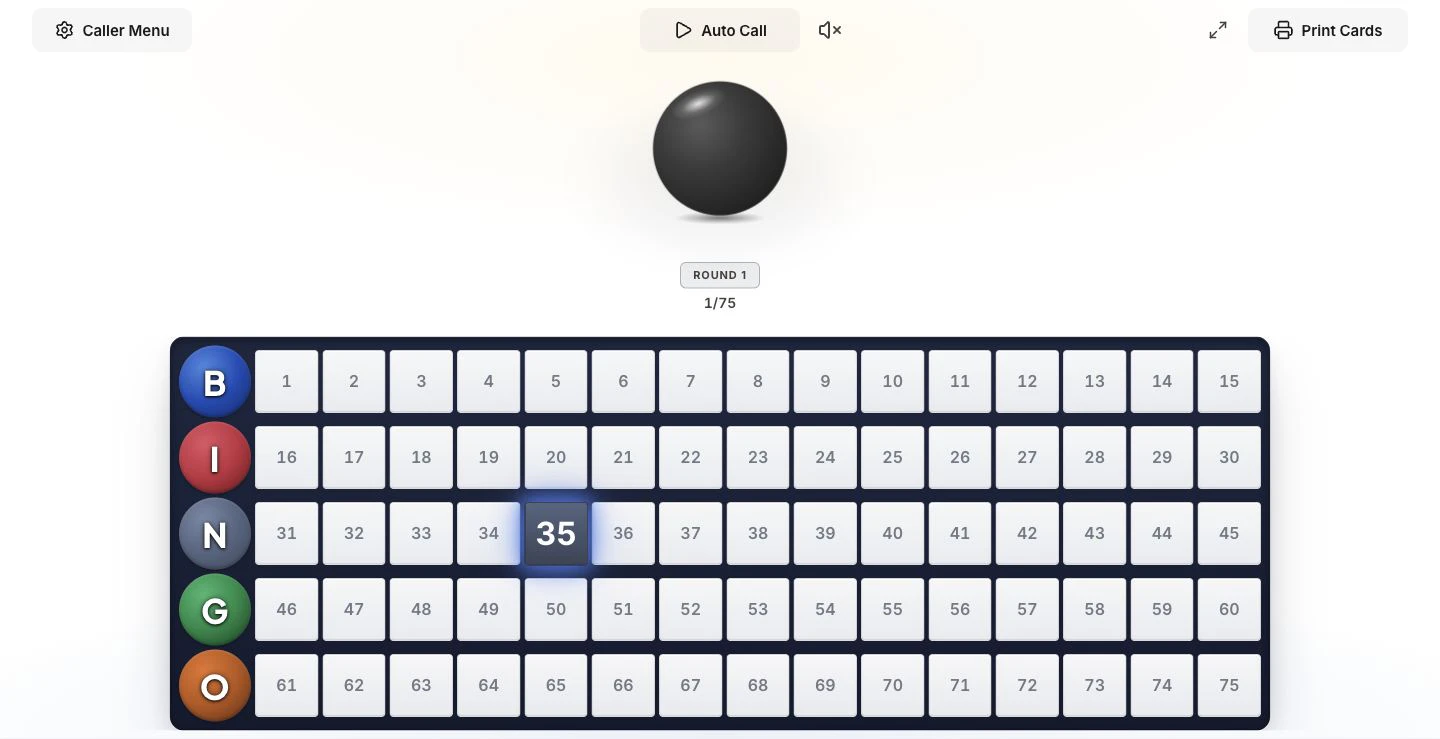
Built the answer worth recommending. The caller runs 30-, 75-, and 90-ball games with recorded voice, printable cards, live play, and winner verification.
The acquisition product
A caller worth recommending.
Bingo Baker reserves its real-time dashboard for paid members. Bingo Card Creator caps free play at five friends. BingWow keeps the full hosting loop — call, print, play, and verify — free, with no signup or ads.
333
caller-query clicks · 5% CTR at average position 4
4,173
views across the caller experience
445
visitors who drew at least one ball
Open the working caller on bingwow.com (opens in a new tab) Turned utility into distribution. Each caller mode got a dedicated page, and every public card became an indexable landing page for Bing and AI assistants to surface.
Measured results
983 vs 101
search clicks: Bing versus Google
591
visitors referred by AI assistants, most from ChatGPT
254 → 980
published card pages, each an indexed landing page
Corrections & failed tests
47 → 0
cold outreach emails to backlinks earned
0
Google organic keywords and traffic after the whole backlink campaign
−29%
site click-through rate in the title test
What's next
Improve caller-query CTR before adding another SEO surface.